

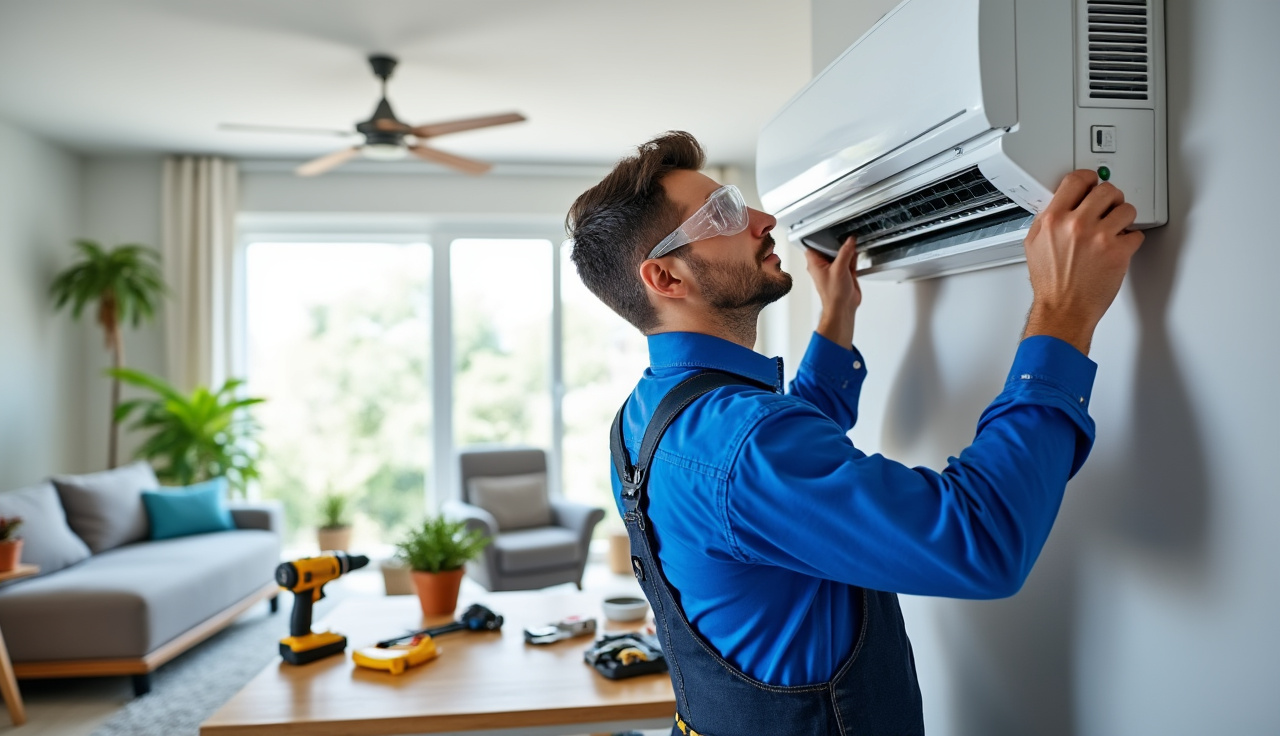
Professional Air Conditioning Installation: A Complete Guide
Looking for professional air conditioning installation services in your area? You've come to the right place! This comprehensive guide will walk you through everything you need to know about finding and hiring the best AC installation experts near you. From understanding what makes a quality installation to knowing what questions to ask potential contractors, we've got you covered. A properly installed air conditioning system not only keeps your home comfortable but also operates efficiently, saving you money on energy bills for years to come. Let's dive into what you should know before investing in a new AC system and how to find the perfect installation team for your specific needs.
Why Professional AC Installation Matters
When it comes to air conditioning installation, cutting corners can cost you significantly in the long run. Professional installation ensures your system operates at peak efficiency from day one. Here's why expert installation matters:
- Proper sizing: Professionals calculate the exact cooling capacity needed for your space
- Correct placement: Optimal positioning of indoor and outdoor units for maximum efficiency
- Proper refrigerant charging: Precise refrigerant levels ensure efficient operation
- Electrical safety: Professional installation prevents electrical hazards and fire risks
- Warranty protection: Many manufacturers only honor warranties on professionally installed units
DIY installation or hiring unqualified technicians often leads to inefficient operation, frequent breakdowns, and shortened system lifespan. In fact, studies show that improper installation can reduce your system's efficiency by up to 30%, costing you thousands in wasted energy over the system's lifetime.
Choosing the Right AC System for Your Home
Before searching for "AC installation near me," you need to understand what type of system best suits your needs. Consider these factors:
- Home size and layout: Different homes require different cooling solutions
- Climate considerations: Your local weather patterns affect which system works best
- Energy efficiency ratings: Higher SEER ratings mean lower operating costs
- Budget constraints: Balance upfront costs with long-term energy savings
- Special needs: Consider allergies, humidity control, or noise concerns
Popular air conditioning options include:
Central Air Conditioning:
- Best for: Whole-home cooling in houses with existing ductwork
- Pros: Even cooling throughout the home, hidden components
- Cons: Requires ductwork, higher installation cost
Ductless Mini-Split Systems:
- Best for: Homes without ductwork, additions, or zone cooling
- Pros: Energy efficient, flexible installation, individual room control
- Cons: Higher upfront cost, visible indoor units
Window Units:
- Best for: Single rooms, apartments, or temporary cooling
- Pros: Low cost, easy installation, portable
- Cons: Less efficient, noisier, blocks window
Portable Air Conditioners:
- Best for: Renters, temporary cooling needs
- Pros: No permanent installation, movable
- Cons: Less efficient, requires venting, takes up floor space
A qualified AC installation professional can help you evaluate these options based on your specific situation.
Finding Reputable AC Installation Services Near Me
Finding the right company for your AC installation doesn't have to be stressful. Here's how to identify reputable professionals in your area:
Credentials and Qualifications
When searching for "aircon installation near me," verify these essential credentials:
- Proper licensing: State or local licensing requirements for HVAC contractors
- Insurance coverage: Liability and worker's compensation insurance
- NATE certification: North American Technician Excellence certification indicates superior training
- Manufacturer certifications: Factory training for specific brands you're considering
- Experience level: Look for companies with at least 5+ years of installation experience
Always ask for proof of these credentials before hiring. Reputable companies will gladly provide this information.
Evaluating Installation Quotes
When comparing AC installation quotes, look beyond just the bottom-line price:
- Detailed breakdown: Understand what's included (and what's not)
- Equipment specifications: Brand, model, efficiency ratings, and warranty details
- Labor warranty: How long the company guarantees their installation work
- Timeline: Expected start and completion dates
- Payment terms: Deposit requirements and final payment schedule
Red flags in quotes include vague descriptions, unusually low prices, high pressure sales tactics, and large upfront deposits.
A quality quote should include a proper load calculation (Manual J) to determine the correct size unit for your home. Beware of contractors who don't perform this crucial step or who use simple square footage rules of thumb.
The AC Installation Process Explained
Understanding what happens during a professional AC installation helps you know what to expect and how to evaluate the quality of work.
Pre-Installation Preparation
Before installation day, quality contractors will:
- Perform a detailed home assessment
- Complete load calculations to determine proper system size
- Inspect existing ductwork (for central air systems)
- Identify any electrical upgrades needed
- Discuss thermostat options and placement
- Obtain necessary permits
You should prepare by:
- Clearing access paths to installation areas
- Removing valuables from work areas
- Securing pets away from work zones
- Making parking arrangements for the installation team
Installation Day: What to Expect
A typical central air conditioning installation includes these steps:
- Removal of old equipment (if replacing an existing system)
- Installation of the indoor evaporator coil
- Placement and securing of the outdoor condenser unit
- Connection of refrigerant lines
- Installation of condensate drain lines
- Electrical connections and thermostat installation
- System charging with refrigerant
- Testing and calibration
Professional installations typically take 1-2 days depending on complexity. Ductless mini-split installations may be completed in a single day.
Post-Installation Quality Checks
After installation, quality contractors will:
- Run the system through a complete test cycle
- Check refrigerant pressure and temperature differentials
- Verify proper airflow throughout the home
- Test thermostat operation and programming
- Explain system operation and maintenance to homeowners
- Provide all warranty documentation and maintenance schedules
Don't hesitate to ask questions during this final walkthrough. Understanding how to operate and maintain your new system is crucial for long-term satisfaction.
Maximizing Your AC Installation Investment
To get the most from your new air conditioning system, follow these expert recommendations:
Maintenance Requirements
Regular maintenance extends system life and maintains efficiency:
- Change air filters every 1-3 months
- Keep outdoor units clear of debris
- Schedule professional maintenance annually
- Clean vents and registers regularly
- Monitor system performance for changes
Many installation companies offer maintenance plans that include priority service and discounted repairs. These plans often pay for themselves through improved efficiency and prevented breakdowns.
Energy Efficiency Tips
Maximize your system's efficiency with these practices:
- Use a programmable or smart thermostat
- Seal air leaks around windows and doors
- Add insulation where needed
- Use ceiling fans to improve air circulation
- Keep blinds closed during peak sun hours
- Consider zone cooling for rarely used areas
These simple steps can reduce your cooling costs by 10-30% while extending your system's lifespan.
Warranty and Service Agreements
Understand your warranty coverage:
- Manufacturer's warranty: Covers equipment defects (typically 5-10 years)
- Labor warranty: Covers installation issues (typically 1-2 years)
- Extended warranties: Optional additional coverage
Keep all warranty documentation and maintenance records. Many warranties require proof of annual professional maintenance to remain valid.
Conclusion
Finding quality aircon installation near me doesn't have to be overwhelming. By understanding what makes a good installation, knowing what questions to ask, and recognizing the value of professional work, you can make a confident decision that will keep your home comfortable for years to come.
Remember these key points:
- Professional installation ensures efficiency, safety, and warranty protection
- Choose the right system type and size for your specific needs
- Verify credentials and compare detailed quotes
- Understand the installation process and what quality work looks like
- Maintain your system properly to protect your investment
Ready to enjoy the comfort of a perfectly installed air conditioning system? Contact a qualified local professional today to schedule your consultation. Your comfortable home awaits!

Mechanical Heating
Content Creator
A passionate writer and content creator.
Related Posts

Expert Heating And Cooling Service Near Me
Expert Heating And Cooling Service Near Me

Understanding Commercial Air Conditioning Requirements: A Business Owner's Guide
Understanding Commercial Air Conditioning Requirements: A Business Owner's Guide

Understanding Modern Home Electrical Requirements for HVAC Systems
Understanding Modern Home Electrical Requirements for HVAC Systems