

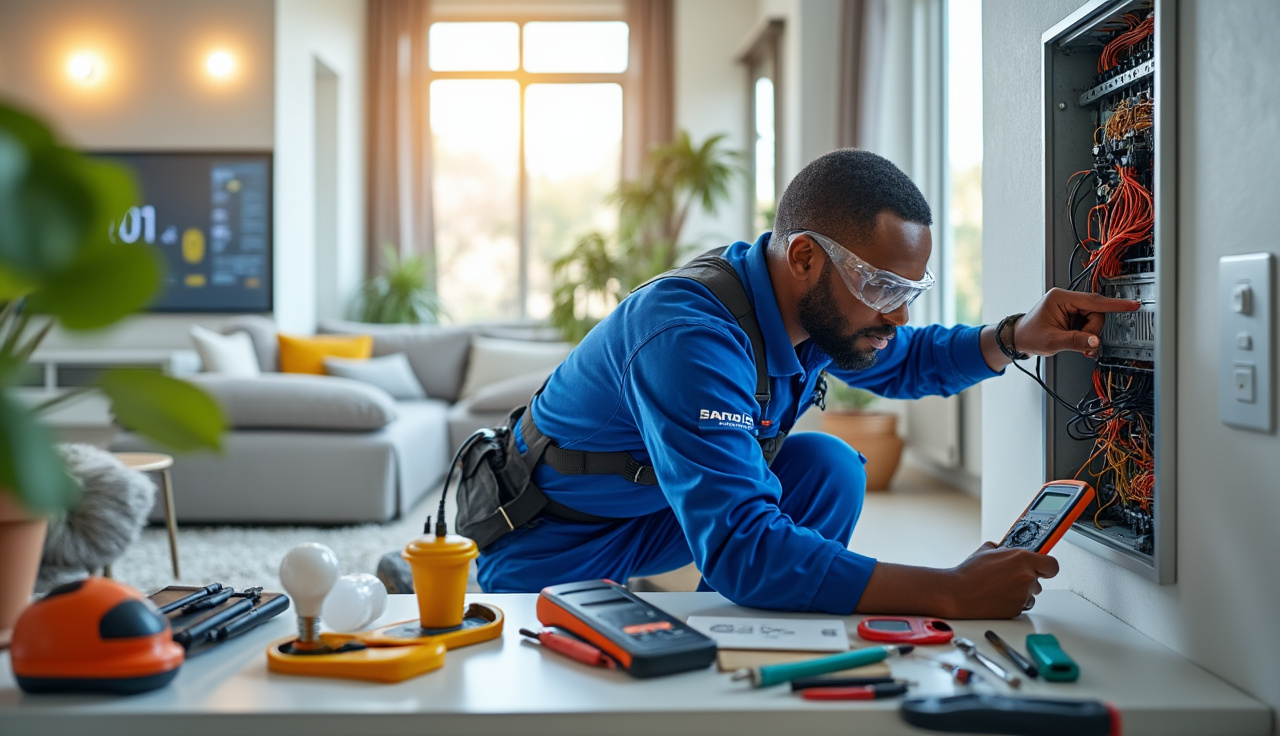
Understanding Modern Home Electrical Requirements for HVAC Systems
Modern HVAC systems are more efficient and feature-rich than ever before, but they also place specific demands on your home's electrical system. Understanding these requirements is crucial whether you're building a new home, renovating an existing one, or simply upgrading your heating and cooling equipment. This comprehensive guide explores the electrical needs of today's HVAC systems, helping homeowners make informed decisions that ensure safety, efficiency, and optimal performance. From circuit requirements to smart thermostats, we'll cover everything you need to know about powering your home's comfort systems.
Electrical Basics for Modern HVAC Systems
Before diving into specific requirements, it's important to understand the fundamental electrical needs of different HVAC systems.
Power Requirements by System Type
Different heating and cooling systems have varying electrical demands:
Central Air Conditioning:
- Typically requires: 208/230-volt, 20-60 amp dedicated circuit
- Outdoor unit (condenser): 20-60 amp circuit depending on size
- Indoor air handler: 15-20 amp circuit
- Total power draw: 3,000-7,000 watts during operation
Heat Pumps:
- Similar to central AC: 208/230-volt service
- Often requires: 30-60 amp dedicated circuit
- Auxiliary heat strips (if present): Additional 60-80 amp circuit
- Total power draw: 3,500-7,500 watts
Electric Furnaces:
- High power demand: 240-volt service
- Typically requires: 60-100 amp dedicated circuit
- Total power draw: 10,000-25,000 watts (significantly higher than cooling systems)
Gas Furnaces:
- Much lower electrical requirements: 120-volt service
- Typically requires: 15 amp dedicated circuit
- Total power draw: 500-1,200 watts (primarily for blower motor and controls)
Ductless Mini-Split Systems:
- Main power connection: 208/230-volt service
- Typically requires: 15-40 amp dedicated circuit depending on size
- Multi-zone systems may require larger circuits
- Total power draw: 1,500-5,000 watts depending on capacity
Understanding these basic requirements helps ensure your electrical service can handle your HVAC equipment without overloading circuits or creating safety hazards.
Dedicated Circuits and Why They Matter
HVAC equipment should always be installed on dedicated circuits for several important reasons:
- Safety: Prevents circuit overloads that could cause fires
- Performance: Ensures stable power supply for optimal operation
- Longevity: Protects sensitive components from power fluctuations
- Code compliance: Required by National Electrical Code (NEC)
- Warranty protection: Many manufacturers require dedicated circuits
A dedicated circuit means the wiring runs directly from your electrical panel to the HVAC equipment with no other devices or outlets connected. This prevents other appliances from drawing power that your HVAC system needs to operate safely and efficiently.
Electrical Panel Considerations
Your home's electrical panel is the central hub that distributes power to all circuits, including your HVAC system. Here's what you need to know:
Service Size Requirements
Modern homes with central heating and cooling typically need at least:
- 200-amp service for average homes (2,000-2,500 sq ft)
- 300-amp service for larger homes or those with all-electric heating
- 400-amp service for very large homes or those with multiple HVAC systems
Many older homes only have 100-amp service, which may be insufficient for modern HVAC equipment, especially if you're adding air conditioning to a home that previously had none.
Signs your panel may need an upgrade include:
- Frequent tripped breakers
- Flickering lights when HVAC system starts
- Warm breakers or panel
- Fuse panel instead of circuit breakers
- No room for additional circuits
Panel Capacity Assessment
Before installing new HVAC equipment, a professional should assess your panel's capacity:
- Current service size (amps)
- Available space for new circuits
- Existing load calculation
- Capacity for additional load
- Age and condition of panel
This assessment determines whether your existing panel can safely accommodate new HVAC equipment or if an upgrade is necessary. In some cases, a subpanel might be added specifically for HVAC equipment rather than replacing the main panel.
Disconnect Requirements
Safety disconnects are required for HVAC equipment:
- Outdoor AC units and heat pumps require a disconnect within sight of the unit
- Indoor equipment needs a disconnect or lockable circuit breaker
- Disconnects must be readily accessible for emergency shutoff
- Local codes may have additional requirements
These disconnects allow for safe servicing of equipment and provide emergency shutoff capability. They're not just good practice—they're required by electrical codes nationwide.
Wiring Specifications for HVAC Systems
Proper wiring is crucial for safe and efficient HVAC operation. Here's what homeowners should understand:
Wire Sizing and Types
HVAC systems require specific wire sizes based on their amperage requirements:
| Circuit Amperage | Required Wire Size | Typical HVAC Application |
|---|---|---|
| 15 amp | 14 AWG | Thermostats, gas furnaces |
| 20 amp | 12 AWG | Small air handlers, mini-splits |
| 30 amp | 10 AWG | Average central AC, heat pumps |
| 40-50 amp | 8 AWG | Larger AC/heat pump systems |
| 60 amp | 6 AWG | Electric furnaces, large systems |
Wire types also matter:
- THHN for indoor conduit runs
- UF for underground outdoor runs
- NM (Romex) for indoor residential applications
- Stranded wire for connections to equipment (better vibration resistance)
Using undersized wiring creates a serious fire hazard and can damage equipment. Always consult an electrician to determine the correct wire size for your specific equipment.
Conduit and Protection Requirements
Proper protection for HVAC wiring includes:
- Outdoor wiring must be in weatherproof conduit
- Underground lines need proper burial depth (typically 18-24 inches)
- Physical protection where wiring might be damaged
- Proper insulation and jacketing for environmental conditions
- Strain relief where wires enter equipment
These protections prevent damage to wiring that could create fire hazards or cause system failures. They're especially important for outdoor units exposed to weather and potential physical damage.
Grounding and Bonding
Proper grounding is essential for HVAC safety:
- Equipment grounding conductor required for all HVAC circuits
- Bonding of metal components to prevent shock hazards
- Ground fault protection for certain applications
- Proper grounding electrode connections
- Compliance with NEC Article 250 requirements
Improper grounding can create shock hazards and may damage sensitive electronic components in modern HVAC systems. It's not an area where corners should be cut.
Smart HVAC Controls and Their Electrical Needs
Modern HVAC systems often incorporate smart controls that have their own electrical requirements:
Thermostat Wiring Considerations
Smart thermostats typically need:
- C-wire (common wire) providing continuous 24V power
- R-wire (power wire from transformer)
- Various control wires depending on system type (W, Y, G, etc.)
- Possible additional wires for features like outdoor temperature sensors
Many older homes lack the C-wire that smart thermostats require. Solutions include:
- Running a new thermostat cable with additional conductors
- Using a C-wire adapter kit
- Installing a transformer at the thermostat location
- Choosing a smart thermostat that works without a C-wire
Proper thermostat wiring ensures reliable operation and access to all features of your smart thermostat.
Home Automation Integration
Integrating HVAC with home automation systems may require:
- Dedicated network connections (wired or wireless)
- Additional control modules at the equipment
- Interface devices between proprietary systems
- Possible dedicated power supplies for control modules
- Surge protection for sensitive electronics
These integrations allow for advanced features like remote control, energy usage monitoring, and coordination with other home systems, but they add complexity to the electrical requirements.
Power Protection for Smart Systems
Smart HVAC controls benefit from power protection:
- Surge protectors for control boards and thermostats
- Whole-house surge protection for comprehensive coverage
- Uninterruptible power supplies (UPS) for critical controls
- Power conditioning for sensitive electronics
- Proper grounding for all components
These protections prevent damage from power surges and ensure continuous operation of your HVAC control systems, protecting your investment in smart technology.
Electrical Upgrades for HVAC Efficiency
Certain electrical upgrades can significantly improve HVAC efficiency and performance:
Variable Speed Motor Requirements
Modern variable speed equipment offers efficiency benefits but has specific electrical needs:
- Clean, stable power supply
- Proper grounding to prevent electronic interference
- Possible need for line reactors or filters
- Protection from voltage fluctuations
- Dedicated circuits sized for maximum draw
Variable speed technology can reduce energy consumption by 40-70% compared to single-speed systems, but requires proper electrical support to function correctly and reliably.
Electrical Considerations for High-SEER Systems
High-efficiency systems (16+ SEER) often have:
- More sophisticated control boards
- Multiple motor speeds or variable frequency drives
- Additional sensors and monitoring equipment
- Potentially higher starting current requirements
- More complex protection requirements
These high-efficiency systems save energy but require proper electrical infrastructure to deliver their promised performance and reliability.
Backup Power Options
Many homeowners want backup power for HVAC systems:
Whole-House Generators:
- Require professional installation with transfer switches
- Typically need 200+ amp service
- Must be sized to handle HVAC startup loads
- Require dedicated gas lines or fuel storage
- Need regular maintenance and testing
Partial Backup Systems:
- Can power critical circuits only
- May require load management systems
- Often more affordable than whole-house solutions
- Can be designed specifically for HVAC backup
- May require equipment modifications
Backup power systems ensure comfort during outages but add significant complexity to your home's electrical system and should be professionally designed and installed.
Safety and Compliance Considerations
Safety should always be the top priority when dealing with HVAC electrical requirements:
Code Requirements and Permits
HVAC electrical work must comply with:
- National Electrical Code (NEC)
- Local building codes and amendments
- Utility company requirements
- Manufacturer installation specifications
- Permit and inspection requirements
Work performed without proper permits not only creates potential safety hazards but may also:
- Void equipment warranties
- Create insurance coverage issues
- Cause problems when selling your home
- Result in fines or removal orders
Always obtain proper permits and inspections for HVAC electrical work.
Common Electrical Safety Issues
Be aware of these common HVAC electrical problems:
- Undersized wiring causing overheating
- Improper connections leading to arcing
- Missing or improper disconnects
- Inadequate overcurrent protection
- Improper grounding creating shock hazards
- Water exposure to electrical components
- Rodent damage to wiring
Regular inspection by qualified professionals can identify these issues before they create serious hazards.
Professional vs. DIY Considerations
While homeowners can handle some basic maintenance, electrical work for HVAC systems generally requires professional expertise:
Tasks for professionals:
- Circuit installation and modification
- Equipment connection and startup
- Service panel modifications
- Disconnect installation
- Load calculations and service upgrades
Homeowner maintenance may include:
- Changing batteries in thermostats
- Resetting tripped breakers (once or twice only)
- Cleaning accessible components
- Monitoring system performance
- Scheduling professional maintenance
When in doubt, consult a licensed electrician or HVAC contractor with electrical expertise. The safety risks of improper electrical work far outweigh any potential cost savings from DIY approaches.
Planning for Future Needs
Smart homeowners plan for future electrical needs when installing or upgrading HVAC systems:
Electrification Trends
The trend toward all-electric homes means:
- Increasing electrical demands as gas appliances are replaced
- Need for larger service capacity
- More sophisticated load management
- Potential integration with renewable energy
- Preparation for electric vehicle charging
Planning for these trends during HVAC upgrades can save substantial costs compared to multiple separate electrical projects.
Renewable Energy Integration
Solar and other renewable energy sources interact with HVAC in important ways:
- Potential for powering high-consumption HVAC equipment
- Battery storage systems for backup power
- Smart controls that optimize HVAC operation based on energy production
- Net metering considerations
- Potential tax incentives and rebates
A holistic approach to HVAC and renewable energy can maximize benefits and minimize costs.
Future-Proofing Your Electrical System
When upgrading for current HVAC needs, consider:
- Installing additional capacity for future expansion
- Running conduit for future wiring needs
- Choosing panels with room for additional circuits
- Documenting your electrical system for future reference
- Planning space for potential equipment additions
These preparations make future upgrades simpler and less expensive, providing long-term value beyond your immediate HVAC project.
Conclusion
Understanding the electrical requirements for modern HVAC systems is essential for safety, efficiency, and performance. From basic power needs to smart controls and future planning, electrical considerations should be a key part of any HVAC installation or upgrade project.
Remember these key points:
- Always use dedicated circuits properly sized for your equipment
- Ensure your electrical panel has adequate capacity
- Use correct wire sizes and types for safety and performance
- Consider the special needs of smart controls and high-efficiency equipment
- Plan for future electrical needs when possible
- Prioritize safety and code compliance
- Work with qualified professionals for electrical modifications
By addressing these electrical requirements properly, you'll ensure your HVAC system operates safely, efficiently, and reliably for years to come. Your home's comfort system is only as good as the electrical infrastructure supporting it—make sure yours is up to the task.

Mechanical Heating
Content Creator
A passionate writer and content creator.
Related Posts

Expert Heating And Cooling Service Near Me
Expert Heating And Cooling Service Near Me

Professional Air Conditioning Installation: A Complete Guide
Professional Air Conditioning Installation: A Complete Guide

Understanding Commercial Air Conditioning Requirements: A Business Owner's Guide
Understanding Commercial Air Conditioning Requirements: A Business Owner's Guide